
Author: Wasim Omar

  • Green Brick Powering Through with its Winning Formula

    Green Brick Powering Through with its Winning Formula

    Green Brick Partners, Inc. (NYSE: GBRK) is a company engaged in homebuilding and land development. Its operations are located in some of the most rapidly growing regions of the U.S.—Dallas-Fort Worth, Austin, Atlanta, and Florida’s Treasure Coast. The company participates in all phases of homebuilding: land acquisition and development coupled with design and construction up to selling the homes. It operates under multiple brands, offering various styles of homes (single-family homes to luxury residences)-all with an emphasis on quality and unique design.

    Green Brick takes pride in building well-crafted homes at great locations with competitive pricing. The approach is very much long-term value-driven while being extremely mindful of market trends and risk management. Their strategy comprises expanding within existing markets, acquiring land positions in high-value areas, and keeping a strong financial position to support sustainable growth.

    Green Brick Powering Through Uncertain Times

    What is most appealing about Green Brick is its ability to glide through difficult times, without letting this impact its financial and operational performance. The most serious of these broader headwinds is the interest rate climate, which makes it difficult for companies in this space to thrive.

    The company has navigated the challenging macroeconomic climate with a unique strategy that has allowed them to maintain strong performance. While many companies in the housing sector are feeling the strain of rising interest rates and increasing lot costs, Green Brick has managed to sidestep these issues due to its approach to land development.

    By self-developing land, particularly in key markets like Dallas-Fort Worth and Atlanta, the company can produce finished lots at lower costs and control the pace of development, which has helped them maintain strong returns. Since 2022, their return on equity has averaged 28%, and their return on assets has averaged 18%.

    The company is also well-positioned to capitalize on broader demographic trends, including the growing number of Millennials and Gen Z entering the housing market. With a focus on securing new land opportunities and building on their existing strengths, Green Brick is poised to capture additional market share in the years ahead.

    Assessing Operational and Financial Green Brick Updates

    During the second quarter, Green Brick Partners, Inc., had another record period for delivery and robust operational and financial results. During this time, 987 homes were delivered by the company, resulting in a home closing revenue of $547 million on record volume, up 20% year-over-year. Their homebuilding gross margin hit an all-time high of 34.5%, topping all public homebuilders— this reflects efficient cost management and strategic land development.

    Green Brick’s net income attributable to the company surged 35.3%, with earnings per share (EPS) jumping to $4.14, up 38% year over year. Similarly, the company notably achieved a record quarterly EPS of $2.32, a 42.3% increase from last year. Such strong financial performance has brought about an annualized return on equity of 28.3% for the first half of 2024. Moreover, the company’s book value per share hit $31.21, representing a 26% year-over-year increase.

    By focusing on self-developing land rather than adopting the increasingly popular land light model, Green Brick has been able to control costs and maintain strong margins. Their approach of acquiring, entitling, and developing land internally, backed by rigorous underwriting and a low-leverage balance sheet, sets them apart from peers who rely heavily on land bankers and face higher costs and risks. This strategy has positioned Green Brick for sustainable growth and continued industry-leading returns.

    The Winning Effort to Maintain Sales Momentum

    Green Brick Partners has remained focused on creating long-term value by developing neighborhoods that people want to live in, both now and in the future. This approach has helped the company maintain strong sales momentum, even as interest rates fluctuate and macroeconomic uncertainties persist.

    In July, the company’s sales continued at a steady pace, aligning with expectations without the need for additional incentives. Demand across Green Brick’s markets remains robust, with only a slight softening in a couple of neighborhoods in Florida. This indicates that while interest rates are an important factor, Green Brick’s commitment to building attractive and lasting communities is a key driver of their ongoing success. The company’s strategic focus on neighborhood development is resonating with homebuyers, allowing it to navigate market challenges while maintaining solid performance.

  • Hyperfine is Pioneering Innovation in Medical Imaging

    Hyperfine, Inc. (NASDAQ: HYPR) is an innovative health technology company focused on transforming patient care through advanced imaging solutions. The company specializes in developing and providing cutting-edge medical devices, with a particular emphasis on accessible and affordable magnetic resonance imaging (MRI) technologies. Hyperfine’s mission is to revolutionize healthcare by making high-quality imaging available to a broader range of patients and healthcare providers, regardless of location or resource constraints.

    The company’s flagship product, the Swoop® Portable MR Imaging® System, is an innovative ultra-low-field (ULF) magnetic resonance imaging (MRI) device designed to produce high-quality brain images at a lower magnetic field strength than traditional MRI scanners.

    Amid the current AI frenzy, investors are increasingly drawn to companies that genuinely leverage AI to create real value. While many firms merely use AI as a buzzword, Hyperfine stands out by actively pursuing its mission to make advanced imaging more accessible through the strategic integration of AI.

    How Hyperfine is Turning to AI to Enhance Imaging Capabilities

    Hyperfine’s integration of artificial intelligence into its imaging technology is a key differentiator that underscores the company’s commitment to innovation and patient care. The recent FDA clearance of their ninth generation AI-powered software represents a significant advancement in the capabilities of their ultra-low-field portable brain MRI system. This software enhancement enables Hyperfine to upgrade image quality while simultaneously reducing scan acquisition times, leading to improved clinical performance.

    By decreasing scan times, Hyperfine can accelerate the diagnostic process, which is particularly vital in acute care settings where time is of the essence—such as in the case of stroke patients, where swift diagnosis can significantly impact outcomes. The use of AI in developing and refining imaging sequences has proven to be a powerful tool, driving the company’s continuous innovation.

    Hyperfine’s success in securing multiple AI-powered marketing authorizations has positioned the company as a leader in the field. This recognition reaffirms its commitment to leveraging AI to make advanced imaging more accessible and efficient for healthcare providers and patients alike.

    Spearheading Ahead with Clinical Progress

    While the developments on the AI domain are indeed groundbreaking, it is important to keep track of the other clinical strides the company has been making lately, especially in terms of its Alzheimer’s and stroke programs:

    • Alzheimer’s Program Progress: Enrollment began in the CARE PMR study to assess the Swoop system’s ability to detect ARIA complications in patients on amyloid-targeting therapy. The study is progressing well, with promising initial data presented at the Alzheimer’s Association International Conference.
    • Swoop’s Effectiveness in Alzheimer’s: Data from Washington University and Mass General Brigham demonstrated Swoop’s potential in detecting ARIA complications and monitoring Alzheimer’s progression, showing strong agreement with conventional high-field MRI in brain morphometry evaluation.
    • Workflow Benefits for Alzheimer’s Care: The portability and low operational costs of the Swoop system could significantly optimize workflow in Alzheimer’s care, improving access, cost, and equity for patients, clinicians, and care partners.
    • Stroke Program Progress: The ACTION PMR study, which evaluates Swoop’s use for acute ischemic stroke triage, is advancing with the enrollment of the initial 100 patients. Early data, published in Annals of Neurology, highlights the potential of Swoop to assist in critical stroke treatment decisions.
    • Future Developments in Stroke Care: Hyperfine plans to launch the workflow phase of the stroke study to assess the efficiency and economic value of Swoop in stroke triage, with more data expected to be shared later this year.

    Financial Hyperfine Updates

    For the quarter ended June 30, 2024, Hyperfine reported revenue of $3.6 million, marking a 7% increase compared to the same period in 2023 and a 10% growth from the first quarter of 2024. This revenue growth indicates how the company is able to successfully commercialize its innovative Swoop® Portable MR Imaging® System, setting it apart from many other companies still in the development phase.

    The company’s gross profit for the second quarter of 2024 reached $1.8 million, up from $1.4 million in the second quarter of the previous year. This resulted in a record gross margin of 50%, reflecting the efficiency and scalability of Hyperfine’s operations.

    While R&D expenses increased to $5.9 million, reflecting the company’s commitment to ongoing innovation, sales, general, and administrative expenses decreased to $6.7 million, down from $7.8 million in the same quarter of 2023, indicating a disciplined approach to spending.

    Hyperfine reported a net loss of $10.1 million for the second quarter of 2024, or $0.14 per share, which is an improvement from the net loss of $10.6 million, or $0.15 per share, reported in the same period last year.

    The company’s cash burn for the quarter was $9.4 million, leaving Hyperfine with $53.8 million in cash and cash equivalents as of June 30, 2024.

    This strong financial position provides the company with the resources needed to continue its growth trajectory and further solidify its market presence.

  • Li-Cycle: Capitalizing on Market Tailwinds for Growth

    Li-Cycle: Capitalizing on Market Tailwinds for Growth

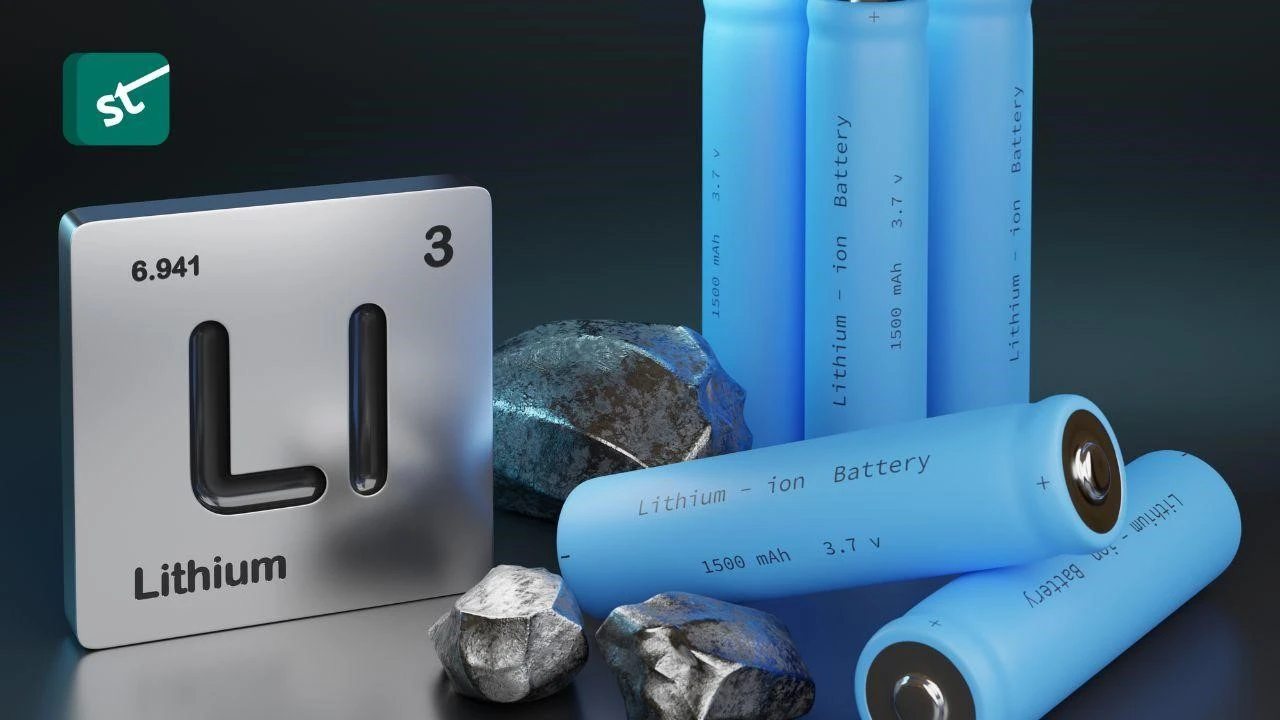
    Li-Cycle (NYSE: LICY) is a prominent player in the global market for lithium-ion battery (LIB) resource recovery, positioning itself as a key contributor to the sustainable energy transition. Founded in 2016, the company has quickly established itself as a leader in the industry by developing a unique recycling process that is essential for creating a domestic, closed-loop battery supply chain—a critical component in the push towards clean energy.

    Li-Cycle’s innovative “Spoke & Hub” model is the cornerstone of its operations. The “Spokes,” or pre-processing facilities, handle the initial stage of recycling by converting battery manufacturing scrap and end-of-life batteries into “black mass,” a substance rich in valuable metals like lithium, cobalt, and nickel. This black mass is then further refined at the company’s planned “Hubs,” or post-processing facilities, to extract and produce critical battery materials such as lithium carbonate.

    The company’s ability to recover and recycle these valuable materials not only reduces the environmental impact of battery production but also helps to secure the supply of critical minerals necessary for the growing electric vehicle and energy storage markets. Li-Cycle’s strategic approach and global partnerships position it as a vital player in the sustainable energy landscape, with its proprietary technology offering a scalable solution to the challenges of battery waste and resource scarcity.

    Impressive Li-Cycle Progress

    The company has not been in an idle state, but has been proactively achieving quite a lot. The most noteworthy achievements under this wider umbrella of progress have been summarized below:

    1. Commercial Operations: Li-Cycle successfully began commercial operations at its Rochester Spoke, expanding its capacity to process battery materials and produce black mass, crucial for the lithium-ion battery supply chain.
    2. Partnerships: The company secured significant partnerships, including agreements with leading battery manufacturers and automakers, enhancing its role in the global battery recycling ecosystem.
    3. Hub Development: Li-Cycle made substantial progress on its Rochester Hub, a post-processing facility designed to refine black mass into high-purity battery-grade materials, moving closer to a fully operational closed-loop recycling system.
    4. Financial Milestones: The company strengthened its financial position through strategic investments and funding, enabling further expansion and technological advancements in its recycling processes.
    5. Sustainability Recognition: Li-Cycle received accolades for its contributions to sustainability, highlighting its pivotal role in reducing battery waste and supporting the transition to a circular economy in the energy sector.

    Financial Updates for Li-Cycle

    Despite a 45% decrease in sales volume, with only 1,158 tonnes sold compared to 2,093 tonnes last year, the company achieved a record total revenue of $8.4 million, marking a 133% increase. This surge was driven by favorable market conditions, leading to higher recycling revenue and positive fair value pricing adjustments. Cost of sales also saw a slight decline, down 4% to $19.4 million, reflecting lower production levels.

    However, costs related to new service contracts pushed service revenue expenses up by $1.5 million. Notably, SG&A expenses decreased significantly by 39%, to $15.3 million, due to restructuring efforts. Adjusted EBITDA remained negative, impacted by restructuring fees. The company’s cash position decreased to $57 million from $109.1 million earlier in the year, influenced by increased working capital and investment activities. Despite lower output, the company’s strategic cost management and favorable market dynamics contributed to its strong revenue growth.

    Strategic Response to Industry Challenges

    Li-Cycle has been navigating industry challenges by capitalizing on two main drivers: the rising supply of recyclable materials and the growing need for localized battery supply chains. Despite recent headwinds, the company remains optimistic about long-term growth, driven by the increasing adoption of EVs in North America, projected to continue at a robust CAGR. This growth fuels the demand for lithium-ion battery recycling, with a significant rise in recyclable materials expected by 2030, primarily from manufacturing scrap.

    To address the current deficit in post-processing capacity, Li-Cycle’s Rochester Hub is strategically positioned to play a crucial role in filling this gap. The company is also benefiting from favorable government policies, such as the U.S. Inflation Reduction Act, which supports domestic production and reduces reliance on foreign supply chains.

    Takeaway

    Li-Cycle’s success underscores its ability to thrive in a favorable market environment, leveraging industry trends towards sustainability and localized supply chains. The company’s innovative recycling processes and strategic initiatives position it to capitalize on growing demand for electric vehicles and battery materials, securing its role in the evolving energy landscape.

  • Outbrain Inc.: Strategic Growth & Strong Financial Momentum

    Outbrain Inc.: Strategic Growth & Strong Financial Momentum

    Outbrain Inc. (NASDAQ: OB) is an innovative player in the digital advertising ecosystem, leveraging the power of AI for its platform whereby it seamlessly bridges the gap between media owners and advertisers. The company’s core strength lies in its AI-powered prediction engine, a sophisticated tool that processes billions of data points per minute to curate highly personalized content experiences for over a billion consumers globally.

    With such tech capabilities, Outbrain is among the only players that uses machine learning in such a manner to not only enhances audience engagement but also to drive significant business outcomes. Its AI-oriented algorithm pretty much perfects the delivery of content that resonates with users’ specific interests.

    For media owners, Outbrain offers a robust platform that facilitates audience monetization by enabling the delivery of tailored editorial and advertising experiences. This, in turn, helps publishers deepen their understanding of audience behavior and preferences, leading to more effective content strategies and revenue generation. On the advertiser side, Outbrain’s platform is designed to maximize ROI at every stage of the marketing funnel.

    Transformative Outbrain Merger with Teads

    Outbrain Inc. is on the brink of a significant transformation with its recent announcement of a definitive agreement to acquire Teads, a move that stands to propel the company to soaring new heights. This merger represents a strategic leap forward, combining the strengths of two industry leaders to create one of the largest platforms for Open Internet advertising.

    By integrating Teads’ capabilities, Outbrain is poised to accelerate its growth trajectory and enhance profitability, delivering substantial value to shareholders through both operational synergies and financial leverage. This combination of resources and expertise will allow Outbrain to scale its global platform, positioning it as a formidable competitor to the “Walled Gardens” of digital advertising, such as Google and Facebook.

    The merger aligns perfectly with Outbrain’s long-term vision of becoming a comprehensive, end-to-end platform for the Open Internet. By offering a full funnel solution that caters to both performance marketing and video branding, Outbrain is set to meet the evolving needs of advertisers and brands in a way that few others can.

    The overwhelmingly positive response from industry leaders, such as Peter Wurtenberger of Axel Springer and Alexandra Chabanne of GroupM France, underscores the confidence that key stakeholders have in the potential of this merger to drive innovation and deliver tangible results.

    As the two companies prepare for integration, with the deal expected to close by Q1 2025 pending regulatory and shareholder approvals, Outbrain is on a clear path to becoming a more dominant force in the digital advertising landscape. The combined expertise and resources of Outbrain and Teads will create a powerful platform capable of delivering unparalleled outcomes for advertisers, making this merger a key factor in the company’s future growth and investment potential.

    Operational and Financial Updates from Q2

    In Q2, Outbrain delivered strong financial and operational performance, showcasing solid progress on its 2024 growth drivers.

    • The company achieved an extra gross profit of $56 million, reaching the high end of its guidance.
    • Adjusted EBITDA came in at $7.4 million, significantly exceeding expectations, while positive free cash flow was generated for the fourth consecutive quarter.

    This success is largely attributed to positive trends in Outbrain’s core business and momentum in its key growth pillars. The first pillar focuses on expanding its share of wallet with advertisers, including brands, agencies, and performance marketers. Onyx, the direct sales channel, continued to grow, launching in new markets like Israel and Spain, with a strong rebooking rate of nearly 40% in Q2. This growth was bolstered by high-profile campaigns from partners such as Disney+, Purina, Nissan, and even the Taylor Swift Online Store.

    On the performance side, Outbrain’s DSP, Zemanta, saw a 50% increase in advertiser spend compared to the first half of 2023, highlighting its success in capturing a larger share of client spending.

    Outbrain also expanded its supply footprint beyond its traditional feed, with these placements representing 27% of revenue in Q2 2024, up from 24% in Q2 2023. Additionally, the company deepened partnerships with top premium media owners, securing new and renewed exclusive agreements, which led to a strong retention rate of 99% in Q2.

  • Blink Charging: Navigating Challenges through Strength

    Blink Charging: Navigating Challenges through Strength

    Blink Charging Co. (NASDAQ: BLNK) operates in the electric vehicle (EV) industry, providing charging equipment and networked EV charging services. Its offerings include the Blink EV charging network, various types of charging equipment, and related services.

    The company is currently facing significant headwinds, particularly due to the overall decline in demand for electric vehicles, which has impacted its revenue and profitability. However, as we will explore, these short-term obstacles are not insurmountable and do not signify the end for the company.

    The Blink Charging Competitive Edge and Market Position

    The company is unique in the EV charging space in many ways. It distinguishes itself in the market through its flexible solutions, catering to customers who wish to either purchase equipment along with network services or have Blink own and operate the chargers. This flexibility not only enhances Blink’s competitive edge but also diversifies its revenue streams, with nearly 25% of its revenue coming from recurring service streams.

    Additionally, Blink’s ownership and operation of charging stations grant it unique insights into diverse charging locations. This experience enables Blink to design chargers and develop software services that effectively meet customer needs. Blink’s comprehensive approach and adaptability in service offerings position it as a strong player in the EV charging industry, capable of addressing various customer requirements while ensuring steady revenue growth.

    Assessing the Financials

    As already discussed, Blink Charging is reporting soft earnings owing to the dip in EV demand.

    In the second quarter of 2024, the company reported total revenue of $33.3 million, a slight increase from $32.8 million in the same quarter of 2023. For the first half of 2024, revenue reached $70.8 million, marking a 30% increase compared to $54.5 million in the first half of 2023, indicating progress beyond the demand slump.

    Product sales in Q2 2024 were $23.6 million, down slightly from $24.6 million in Q2 2023, though the first half of 2024 saw a 25% increase in product sales, reaching $51.1 million.

    Service revenue, which includes charging services and network fees, grew by 15% year-over-year in Q2 2024, totaling $8 million, while the first half of 2024 saw a 38% increase to $16.2 million. Despite these gains, the company faced challenges, as gross profit for Q2 2024 dropped to $10.7 million from $12.3 million in Q2 2023, with gross margins declining to 32%. However, cost-cutting efforts led to a 41% reduction in operating expenses, improving cash burn and reducing losses.

    Blink’s adjusted EBITDA for Q2 2024 was a loss of $14.7 million, slightly worse than the $13.5 million loss in Q2 2023. The EPS loss improved to $0.20 per share from $0.67 per share in Q2 2023.

    It is evident that Blink Charging is feeling the effects of falling demand, as seen in the slight decline in product sales and the drop in gross profit in the second quarter of 2024. However, the company is making significant strides to move beyond this slump.

    Blink Charging Catalysts to Watch Out For

    While the market may be skeptical about Blink, given the current headwinds it faces, it is evident that the management remains optimistic. The reason behind this sentiment can be substantiated by the following catalysts and tailwinds:

    • Increasing EV Adoption: Management is optimistic because a significant portion of new vehicle models in 2024 and 2025 will be electric, creating a growing demand for charging infrastructure that Blink is well-positioned to meet.
    • Rising Fleet Demand: The shift of fleet operators, including rideshare companies like Uber and Lyft, towards EVs is expected to drive substantial demand for Blink’s charging solutions, presenting a strong growth opportunity.
    • Sustainable Growth in Charging Utilization: With consistent growth in charging service utilization, Blink sees an expanding market as EV sales rise, allowing the company to capitalize on the increasing need for charging infrastructure.
    • Strategic International Expansion: Blink’s successful entry into lucrative European markets and key partnerships, like with Decathlon and BYD, along with progress in U.S. government certifications, reinforce management’s confidence in long-term growth

    Conclusion

    In conclusion, while Blink Charging faces challenges due to the current dip in EV demand, the company’s strategic approach and adaptability position it well for future growth. With increasing EV adoption, rising fleet demand, and expanding charging infrastructure, Blink is set to capitalize on the growing market.

    The company’s focus on sustainable growth, international expansion, and strong partnerships further solidify its potential to navigate through short-term headwinds and emerge stronger. As Blink continues to innovate and expand, it remains a key player in the evolving EV charging industry, poised for long-term success.

  • CNS Pharmaceuticals Sees Surge Amid Strategic Developments

    CNS Pharmaceuticals, Inc. (NASDAQ: CNSP) has captured investor attention with a dramatic shift in its stock performance. After a steep 12.9% decline during Friday’s regular trading session, the company’s shares rebounded significantly in premarket trading on Monday, surging by 49%.

    This upswing not only erased the previous losses but also propelled the stock from $0.25 to $0.39. This sudden volatility comes amid heightened trading volume, with 6.9 million shares changing hands, more than double the stock’s usual volume.

    Strategic In-Licensing Boosts Investor Confidence

    The resurgence in CNSP stock can be attributed to the company’s recent strategic moves. The company announced the in-licensing of TPI 287, a promising microtubule inhibitor with potential to penetrate the blood-brain barrier and treat glioblastoma multiforme (GBM), a highly aggressive brain cancer. The deal with Cortice Biosciences grants the company exclusive rights to develop TPI 287 across the U.S., Canada, Mexico, and Japan. This in-license not only complements CNS’s existing portfolio, which includes their leading drug candidate Berubicin, but also aligns with the company’s mission to tackle the most challenging brain cancers.

    CEO, John Climaco, emphasized the transformative nature of this acquisition, stating that TPI 287’s demonstrated safety and efficacy in over 350 patients make it a vital addition to their arsenal. The company plans to leverage its established clinical network to fast-track the development of TPI 287, with the goal of advancing it into registration studies for recurrent GBM by 2025.

    Continued CNS Focus on GBM and Pipeline

    CNS Pharmaceuticals remains committed to its lead candidate, Berubicin, which is currently in a potentially pivotal study for GBM. The company anticipates releasing topline data from this study in the first half of 2025. The synergy between Berubicin and TPI 287 is expected to offer a multi-faceted approach to treating brain malignancies, addressing the significant unmet needs of GBM patients.

    Additionally, the company has recently rebranded, unveiling a new corporate identity and website to better reflect its focus on developing breakthrough treatments for brain cancer. The strategic moves and ongoing trials underscore CNS’s dedication to becoming a leader in the field of neuro-oncology.

    Conclusion

    CNS Pharmaceuticals’ proactive approach and the potential of their newly expanded pipeline have clearly resonated with the market, as reflected in the stock’s robust premarket performance. Investors and analysts will be closely monitoring the company’s progress as it continues to navigate the challenging landscape of brain cancer treatment.

  • Golden Heaven Group Sees Wild Afterhours Rebound

    Golden Heaven Group Sees Wild Afterhours Rebound

    Golden Heaven Group Holdings Ltd. (NASDAQ: GDHG) experienced a tumultuous Friday, with the stock plunging 8.07% during regular trading. However, the situation reversed dramatically in the afterhours session, where GDHG surged 15%, offsetting much of the day’s earlier losses. This turnaround came amidst a high trading volume of approximately 5.7 million shares, predominantly from buyers eager to capitalize on the stock’s volatile movement.

    Earnings Impact and Business Overview

    The company’s recent earnings report for the first half of 2024 sparked significant market interest. GDHG, an offshore holding entity registered in the Cayman Islands, operates through its Chinese subsidiaries, which manage amusement parks and related recreational facilities. The parks feature a variety of attractions, including thrilling rides, water activities, gourmet festivals, and high-tech installations.

    Despite this diverse offering, the company’s financial performance for the period ending March 31, 2024, was mixed. Total revenue fell 31.09% year-over-year to $13.82 million, with sales of in-park recreation dropping by 34.59% due to the temporary closure of Mangshi Jinsheng Amusement Park and unfavorable weather conditions.

    Financial Highlights of Golden Heaven

    While in-park sales struggled, rental income showed resilience, increasing by 106.65% to $1.03 million, thanks to new revenue streams from electricity-free attractions at Tongling West Lake Amusement World.

    However, the company’s gross profit margin took a hit, declining from 72.08% in the first half of 2023 to 51.95% in 2024. The drop was primarily due to higher maintenance costs, increased rental fees, and the aforementioned park closure, which collectively dampened profitability.

    Conclusion

    Golden Heaven Group Holdings’ recent afterhours rally reflects investor optimism despite the company’s challenging financial results. With the temporary closure of key attractions and adverse weather impacting visitor numbers, GDHG faces a complex landscape.

    However, the uptick in rental income and strong buyer interest could signal a potential rebound as the company navigates these hurdles. Investors will be closely watching the company’s next moves and any developments in its operational strategy.

  • Exicure Inc.’s Rollercoaster Trading Session

    Exicure, Inc. (Nasdaq: XCUR) experienced a wild trading session on Friday. The stock soared 33.76% during regular trading, driven by high investor interest. However, after the closing bell, it took a sharp turn, plummeting 23% in afterhours trading. This dramatic reversal erased most of its earlier gains.

    High Volume and Speculation

    Trading volume was exceptionally high, with about 67 million shares changing hands, indicating significant selling pressure. This volume was 33 times higher than the stock’s average. The sharp decline appeared to be a market correction after an earlier surge, likely driven by overbought conditions following positive news about Exicure’s Nasdaq listing status. Despite the intense trading activity, there was no specific news catalyst for the price movements, suggesting technical trading factors at play.

    Exicure Developments and Future Prospects

    Exicure, Inc., known for developing therapeutics based on its proprietary Spherical Nucleic Acid technology, recently announced a crucial update regarding its Nasdaq listing. On July 31, 2024, the company received notice from the Nasdaq Hearings Panel that it would maintain its listing on the Nasdaq Capital Market, contingent on meeting all criteria by September 16, 2024. This development initially fueled optimism and contributed to the stock’s surge.

    In addition to its listing news, Exicure has been involved in significant financial maneuvers. In May 2023, the company entered into subscription agreements to purchase $1 million each in non-guaranteed private placement convertible notes receivable, maturing in May 2026 with a 4.5% annual yield. Exicure has the option to redeem these notes or convert them into shares, adding potential financial flexibility.

    Conclusion

    The volatile afterhours price movement of Exicure, Inc. underscores the unpredictable nature of stock trading, particularly when driven by technical trends rather than concrete news. With the company’s recent Nasdaq listing update and its strategic financial actions, Exicure remains a stock to watch. Investors will be keenly observing how the market responds in the coming sessions and whether the stock stabilizes or continues its volatile trajectory.

  • Kernel Group Holdings Sees Dramatic Afterhours Surge

    Kernel Group Holdings Sees Dramatic Afterhours Surge

    Kernel Group Holdings Inc. (NASDAQ: KRNL) experienced a dramatic afterhours price surge, reversing its earlier losses. The stock, which fell 5.8% during Friday’s regular trading session, skyrocketed by 23% after the closing bell. This unexpected rise came on a trading volume six times higher than usual, with no apparent news or catalyst to explain the movement. The sharp climb has raised suspicions of a possible pump-and-dump scenario, driven by technical factors. Investors are left to speculate how the market will react once regular trading resumes.

    Kernel Group Financial Performance and Future Prospects

    Kernel’s recent afterhours activity coincides with news surrounding AIRO Group Holdings, Inc. (“AIRO”), its business combination partner. AIRO, a global mid-market aerospace and defense company, reported a substantial revenue growth of 153% in 2023, totaling over $43 million.

    The company’s Electric Air Mobility division has garnered orders worth over $1.1 billion, including partnerships with notable operators like BLADE India and Redwings. AIRO’s Uncrewed Air Systems division also reported significant revenue growth, reaching nearly $28 million in 2023. The company’s CEO, Joe Burns, expressed confidence in AIRO’s ability to accelerate growth and production capacity through 2024 and beyond.

    Strategic Alliance Between Kernel and AIRO

    Kernel and AIRO’s business combination marks a significant milestone, with the SEC recently declaring the proxy/registration statement on Form S-4 effective. This merger aims to bring together Kernel’s investment expertise and AIRO’s diverse portfolio, creating a robust public company positioned to capitalize on the growing demand for aerospace and defense solutions.

    AIRO’s Chairman, Dr. Chirinjeev Kathuria, highlighted the company’s diversified product offerings, including drones and training programs for military and civilian missions. Kernel’s Chairman and CEO, Suren Ajjarapu, expressed optimism about the merger, citing AIRO’s strong backlog and growth as key drivers for future success.

    Conclusion

    The sudden afterhours spike in Kernel Group Holdings’ stock price, despite a lack of news, has intrigued investors and market analysts alike.

    As Kernel and AIRO move towards finalizing their merger, the combined entity’s potential in the aerospace and defense sectors will likely attract further attention. Investors will be keenly watching how the market reacts to these developments and the broader implications for the newly formed company.

  • MGO Global Sees Significant Afterhours Surge: A Closer Look

    MGO Global, Inc. (NASDAQ: MGOL) made headlines on Friday with a 5.6% climb during regular trading hours, closing at $2.42. However, the real excitement came after the closing bell when the stock skyrocketed 37% in the afterhours session, reaching $3.59. Despite the impressive surge, there was no apparent news or catalyst to explain this sudden movement, leading some to speculate about the nature of the rise.

    Speculations and Market Reactions

    The unexpected price increase has stirred debate among investors, with some suspecting a pump-and-dump scenario. The absence of any company announcements or significant developments has only fueled these concerns. Social media platforms were abuzz with chatter, with some users expressing skepticism and warning others of a potential scam.

    Investor reactions to MGO Global’s afterhours surge have been mixed, with some expressing skepticism over the sudden increase. Observers noted the lack of communication from the company during the day, followed by a sharp price movement in the afterhours session. This led to concerns and speculations of potential market manipulation, with some labeling it a “pump and dump.” The relatively low short interest, at just 6% of the float, indicates that a short squeeze is improbable, adding another layer of complexity to the situation.

    MGO Global and Future Prospects

    MGO Global operates through two main units: Americana Liberty and MGO Digital. The Americana Liberty unit focuses on home and outdoor products, including the Stand Flagpoles brand. Meanwhile, MGO Digital leverages data analytics and technology-enabled marketing to introduce new lifestyle brand concepts.

    In June 2024, MGO Global announced a strategic business combination with Heidmar, Inc., a global tanker pool and management company. This partnership is seen as a potentially transformative opportunity, bolstered by Heidmar’s strong financial performance, including a net income of $19.6 million for the fiscal year ending December 31, 2023.

    Conclusion

    As the market opens on Monday, all eyes will be on MGO Global to see if the stock can maintain its afterhours gains. Without any new developments or clarifications from the company, the current surge remains a mystery, leaving investors to speculate on the stock’s future trajectory. Whether this is a mere technical trend or a sign of something more substantial, only time will tell.