
Tag: US Stocks

  • Is QFIN Stock a Good Buy in 2025? What Investors Need to Know Now

    Is QFIN Stock a Good Buy in 2025? What Investors Need to Know Now

    Introduction: Is QFIN Stock a Good Buy in 2025?

    QFIN stock, representing 360 DigiTech, Inc. (NASDAQ: QFIN), is drawing growing attention from investors interested in China’s fast-evolving fintech sector. The company, a data-driven technology platform, connects financial institutions with borrowers and leverages artificial intelligence for credit decision-making. With its expanding loan facilitation services and strong revenue growth, many are asking: Is QFIN stock a good buy in 2025?

    This article explores the company’s business fundamentals, financial performance, growth potential, and associated risks to help you decide whether QFIN deserves a spot in your portfolio this year.

    1. Company Overview & Business Model

    360 DigiTech operates as a leading Chinese fintech company offering loan facilitation, risk management, and post-loan services. Its AI-based credit scoring models and strong partnerships with institutional lenders set it apart. QFIN has two primary revenue models:

    • Loan facilitation services
    • Credit-driven services (capital-heavy model)

    Its tech infrastructure also supports new ventures such as SaaS-based financial solutions for small banks and consumer finance arms.

    2. Recent Financial Performance (FY 2023 Highlights)

    Qifu Technology delivered strong results for the full year ended December 31, 2023, showcasing its operational excellence and continued business growth:

    • Total Revenue: RMB 16.7 billion (~USD 2.31 billion), up 11.5% year-over-year
    • Net Income (Non-GAAP): RMB 5.0 billion (~USD 692 million)
    • Diluted EPS (Non-GAAP): RMB 31.23 (~USD 4.32), indicating solid shareholder returns
    • Operating Margin: 41.8%, reflecting efficient cost management
    • Loan Volume Facilitated: RMB 317.6 billion (~USD 43.8 billion)

    QFIN’s strong profitability, consistent top-line growth, and improved operating efficiency reaffirm its position as a leading fintech platform in China. Despite a dynamic regulatory environment, the company has shown robust adaptability and continued to gain traction among both institutional partners and consumers.

    3. Stock Performance & Valuation Metrics

    • Current Price: $20.35
    • 52-Week Range: $17.76 – $48.94
    • 52-Week High Chg:-6.27%
    • 52-Week Low Chg: +158.28%
    • S&P 500 52-Week Chg: 8.94%
    • Market Cap: $3.28 billion
    • P/E Ratio: 8.08

    When compared to competitors like FinVolution (FINV) and LexinFintech (LX), QFIN stock looks attractively priced, with a compelling valuation, solid dividend, and strong fundamentals.

    4. Growth Drivers for QFIN Stock in 2025

    1. Expansion in AI-driven lending
      QFIN continues to expand its AI-powered credit scoring and loan approval system, which reduces default risk and boosts scalability.
    2. Strategic partnerships with financial institutions
      The company maintains close collaboration with over 120 financial institutions, providing it a deep credit supply pipeline.
    3. Growth in consumption-based lending in China
      As China’s middle class grows and consumption rebounds post-pandemic, QFIN is well-positioned to benefit.
    4. Shareholder value creation
      With a history of buybacks and a healthy dividend payout, QFIN stock is a potential value play in 2025.

    5. Analyst Ratings & Price Predictions

    Wall Street Sentiment: Analyst Ratings Remain Bullish on QFIN

    Analyst confidence in Qifu Technology (QFIN) continues to remain strong in 2025, with leading investment banks reaffirming their bullish outlook:

    • On March 26, 2025, Emma Xu of BofA Securities maintained a Buy rating, raising the price target from $50.66 to $52.70, signaling continued upside based on the company’s strong fundamentals and earnings momentum.
    • On November 21, 2024, Judy Zhang of Citigroup reiterated a Buy rating, increasing the price target from $31.44 to $37.50, reflecting confidence in QFIN’s consistent revenue growth and improving margins


    With an average target price showing double-digit upside, these updates suggest Wall Street views QFIN stock as undervalued and a strong candidate for long-term gains in the fintech space.

    QFIN Stock Price Forecast: What to Expect in the Next 2 Weeks

    Based on recent predictive modeling:

    • Closed Price: $45.87 (as of 2 weeks ago), reflecting a slight dip of -0.33%.
    • Predicted Price (2 Weeks Ahead): $48.98 — indicating a potential upside of 6.77%.
    • Upper Price Estimate: $51.18 — a possible gain of 11.57%, suggesting bullish momentum under favorable conditions.
    • Lower Price Estimate: $46.97 — a more conservative forecast reflecting a 2.39% increase from current levels.


    These projections highlight short-term growth potential for QFIN stock, reinforcing the view that it may be poised for an upward trend based on current market dynamics and investor sentiment.

    6. Risks & Challenges

    1. Regulatory risks in China. Like all Chinese fintechs, QFIN operates under evolving financial regulations. Sudden policy shifts could impact growth.
    2. Geopolitical uncertainty. Ongoing U.S.-China tensions and risks of delisting from U.S. exchanges present headwinds for international investors.
    3. Dependency on macroeconomic trends. A slowdown in consumer lending or rising defaults in China could pressure revenue.

    7. Investor Sentiment Analysis for QFIN

    Investor sentiment around Qifu Technology, Inc. (QFIN) has shown notable improvement across all timeframes, reflecting growing optimism in the market.

    • One-Week Sentiment: The current sentiment score stands at 66.67, based on insights from 11 social media posts, 1 news article, and 1 opinion piece. This marks an increase of 6.67 points from last week’s score of 60, with sentiment fluctuating between 51.67 and 72.73.
    • One-Month Sentiment: Over the past month, QFIN’s sentiment score has surged to 66.04, up 51.75 points from 14.29. This metric is based on 39 social media mentions, 12 news articles, and 1 opinion article, with sentiment ranging between 14.29 and 66.75.
    • Six-Month Sentiment: Over the longer term, sentiment has steadily strengthened. The score now sits at 60.29, up 13.04 points from 47.25 six months ago. This is based on 145 social media posts, 25 news articles, and 4 opinion pieces, with a range of 46.68 to 60.45.

    These rising sentiment scores suggest increasing confidence among retail and institutional investors in QFIN’s growth trajectory and market position.

    8. Institutional Ownership Insights

    Institutional investors show a strong vote of confidence in Qifu Technology, Inc. (QFIN), with approximately 70.09% of outstanding shares held by financial institutions.

    Among the top stakeholders:

    • Banque Cantonale Vaudoise holds 206,000 shares, valued at around $3.80 million, representing a 0.13% stake in the company.
    • Tiger Pacific Capital LP maintains a significantly larger position, owning 2.28 million shares worth roughly $41.97 million, translating to a 1.42% stake.

    This level of institutional backing highlights the broader market’s positive sentiment and long-term conviction in QFIN’s growth potential.

    The Verdict: Should You Buy, Hold, or Sell QFIN Stock in 2025?

    Bullish Case:

    • Strong earnings and profit margins
    • Low P/E ratio and high dividend yield
    • Expanding AI-driven fintech solutions

    Bearish Case:

    • Regulatory and delisting risks
    • Exposure to macroeconomic cycles

    Final Recommendation:

    • Buy: For investors seeking undervalued fintech stocks with strong fundamentals and generous dividend yield.
    • Hold: If you’re already in and waiting for the stock to break past resistance levels.
    • Avoid: If you’re risk-averse or hesitant about Chinese regulatory exposure.

    Conclusion

    So, is QFIN stock a good buy in 2025? With robust financials, attractive valuation metrics, and positive analyst sentiment, 360 DigiTech offers strong upside for investors who can manage geopolitical and regulatory risks. It stands out as a potentially undervalued gem in the global fintech space.

  • Unfair Advantage: The Covert World of Illegal Insider Trading

    Unfair Advantage: The Covert World of Illegal Insider Trading

    When it comes to the elusive world of corporate governance, the principal-agent issue is a fundamental issue that everyone understands needs to be addressed. It surfaces when executives, functioning as agents, potentially prioritize personal gains over the interests of shareholders, their principals.

    This sets the stage for potential exploitation in the fiduciary duty of corporate executives, where decisions may skew towards personal benefits, such as illegal insider trading or other questionable practices, instead of diligently maximizing shareholder value.

    Actions such as illegal insider trading not only jeopardize financial well-being but also erode trust. Achieving the delicate equilibrium between aligning executive interests with shareholder objectives, such as earnings, while upholding ethical standards is paramount.

    Join us today as we delve into this clandestine domain that the market and regulatory frameworks have evolved over a century, in order to prevent.

    We talk about how the right measures against illegal insider trading not only diminish the risk of exploitation but also foster a corporate ethos centered on enduring shareholder value, steering away from the pitfalls of short-term gains.

    When Insider Trading Becomes Illegal

    Insider trading is deemed illegal in the US and global markets, when individuals utilize undisclosed, confidential information about a company, not yet publicized, to engage in buying or selling insider trading stocks, gaining an advantageous edge.

    The critical juncture arises when this undisclosed data harbors the potential to significantly influence the stock’s value. The violation primarily hinges on breaching a duty, often a fiduciary duty, linked to roles like employment, executive positions, or close affiliations with the company.

    Essentially, the legal framework aims to curb the exploitation of non-public insights for personal financial gain, ensuring an equitable landscape in financial markets. The nuanced notion of “materiality” underscores that the information must possess substantial impact potential on stock prices.

    These regulatory measures are crafted to preserve market integrity and shield the investing public from undue advantages. Penalties for insider trading are robust, involving substantial fines and potential imprisonment.

    The core ethos revolves around basing trading decisions solely on publicly available information, refraining from leveraging privileged insights for personal gain.

    Adherence to these guidelines not only guarantees legal compliance but also cultivates a financial environment grounded in the trust, transparency, and equitable opportunities necessary for all investors.

    Consequences of Illegal Insider Trading

    illegal insider trading can be pretty damaging to a wide variety of domains, impacting everything from investors to the very foundation of financial markets. Some of these consequences are discussed below, as follows:

    • Legal Repercussions

      Engaging in illegal insider trading puts individuals on a collision course with the law, inviting substantial fines and potential imprisonment. Vigilant regulatory bodies, like the SEC in the U.S., actively pursue and penalize offenders.

    • Market Integrity Erosion

      Insider trading disrupts the equilibrium of financial markets, fostering an environment of unease among investors concerned about an unfair playing field. This disturbance impedes the smooth allocation of capital.

    • Trust Deterioration

      Companies associated with insiders practicing illegal trades experience an erosion of trust. This breach damages their reputation, impairing their ability to attract investments and cultivate business partnerships.

    • Financial Fallout for Traders

      Traders operating without insider information face potential financial losses. The exploitation of non-public information distorts market prices, posing a detriment to those without privileged access.

    • Employee Consequences

      Employees implicated in a company’s illegal insider trading may confront job loss and damage to professional standing, complicating future employment prospects.

    • Strained Financial Relationships

      Insider trading introduces tension into financial relationships, as ethical boundaries blur, potentially leading to strained partnerships and compromised business collaborations.

    • Market Disruption Warning

      Large-scale illegal insider trading issues a warning to financial markets, disrupting the normal ebb and flow and introducing volatility and unpredictable price swings, with broader economic implications.

    • Investment Deterrence

      Insider trading acts as a deterrent for investors, both individual and institutional, discouraging participation due to concerns about an uneven and unfair market.

    Detection and Enforcement

    Regulators employ a combination of surveillance and investigative techniques to detect illegal insider trading. Firstly, through insider trading trackers, they monitor trading activities through advanced software that flags unusual patterns or sudden spikes in trading volumes.

    Additionally, regulators analyze public announcements, financial reports, and corporate events to identify information leaks. Suspicious trading ahead of significant announcements often raises red flags.

    Once potential instances are identified, regulators conduct thorough investigations. This involves scrutinizing trading records, analyzing communication patterns, and collaborating with financial institutions.

    They may also interview individuals suspected of possessing non-public information. The cooperation of market participants, whistleblowers, and advanced data analytics further aids in uncovering illicit activities.

    Enforcement mechanisms include civil and criminal penalties. Regulators can impose fines, revoke trading licenses, or pursue legal actions against offenders.

    Cooperation with law enforcement agencies enhances the effectiveness of prosecutions. Public awareness campaigns and education programs also play a role in preventing insider trading.

    Frequently Asked Questions

    Do Insider Trading Laws Apply Consistently Across Different Financial Markets?

    Yes, insider trading laws generally apply to various financial markets, ensuring consistent regulatory oversight, and making the disclosure of insider trading reports mandatory.

    Can Associates or Family Members Face Legal Consequences in Insider Trading Cases?

    Yes, associates or family members may face legal consequences for trading based on insider information, as the law holds those benefiting from such information accountable, irrespective of their direct association with the company.

    How Can One Identify Potential Instances of Illegal Insider Trading?

    Vigilance for unusual market movements and reliance on undisclosed information are key indicators, demanding scrutiny and adherence to regulatory standards. Also monitor dedicated insider trading website that track such trends.

    Is All Insider Trading Unlawful?

    Not inherently; permissible insider trading involves transparent disclosure by corporate insiders, distinguishing it from clandestine transactions under regulatory scrutiny.

    Why Is Trading on Non-Public Information A Serious Offense?

    Engaging in such activities undermines market integrity, triggering legal consequences and regulatory enforcement measures.

    Can Confidential Stock Tips From Associates Be Considered Reliable?

    Relying on information without proper verification may expose one to legal ramifications; it’s imperative to prioritize information obtained through legitimate channels.

    What Are the Legal Repercussions of Participating In Insider Trading?

    Consequences include legal proceedings, substantial fines, and potential incarceration, emphasizing the severity of violating securities laws.

    Is Eavesdropping on Financial Conversations Considered Insider Trading?

    Information garnered through unintentional overhearing in public spaces is typically not considered illegal; however, due diligence is advised to confirm its public nature.

    Can Inadvertent Acquisition of Non-Public Information Be Used for Trading?

    While unintentional access to information may occur, the responsibility lies in ensuring compliance with regulations, and avoiding any semblance of impropriety.

    How Does One Distinguish Between Public and Private Information?

    Public information is disseminated through authorized channels like news outlets, contrasting with private information, which is confidential and not intended for public disclosure.

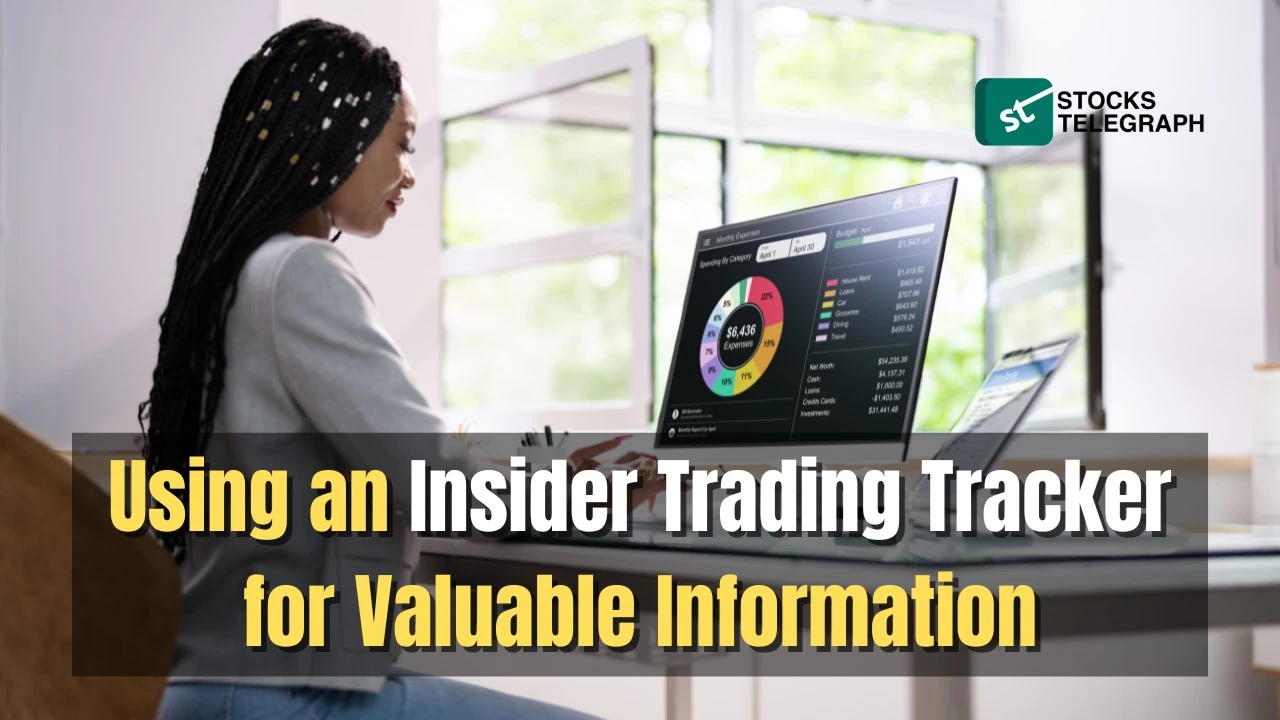
  • Using an Insider Trading Tracker for Valuable Information

    Using an Insider Trading Tracker for Valuable Information

    Properly navigating the stock market demands a constant quest for insight, and for investors and traders who recognize insider transactions hold a key edge.

    Enter the domain of utilizing an insider trading tracker —a gateway to invaluable information. This article illuminates the vital role these tools play, offering real-time data on significant stock movements driven by executives, directors, and major stakeholders buying or selling their company’s shares.

    Taking a peek at the decision-making of those closely connected with a company becomes a strategic advantage. In the financial landscape, comprehending insider transactions is often the way that many know when a company is about to plunge or plummet, well before the market has any clue.

    Join us on this journey as we explore the potential of insider trading trackers and demonstrate how investors and traders can effectively harness this knowledge to navigate the markets and achieve substantial gains.Top of Form

    Tools to Utilize

    As already emphasized, when it comes to stock trading, understanding insider transactions is key. To make sense of it all, traders rely on effective insider trading tracker tools. Here’s a rundown of some user-friendly options to consider:

    1. InsiderScore

      This tool simplifies predictive analytics by scoring insider trading reports. It helps distinguish routine trades from strategic moves, providing traders with clear signals for decision-making.

    2. OpenInsider

      For real-time updates on when insider trading occurs, OpenInsider is a go-to. With an easy-to-use interface, it keeps traders informed about buying and selling trends, offering valuable historical data for better insights.

    3. SEC Filings

      Cut through the clutter by checking out SEC Filings. While not a standalone tool, keeping an eye on these regulatory documents through the SEC’s EDGAR database unveils crucial information about insider activities.

    4. Form 4 Insider Trading Screener

      Get specific with Form 4 Insider Trading Screener. This tool allows traders to filter transactions based on their criteria, ensuring a focused view of relevant insider activities.

    These tools aren’t just accessories; they’re the keys to unlocking insights in the market. As we delve into the world of insider trading, these practical tools become essential companions, helping traders make informed decisions and, potentially, secure lucrative outcomes.

    The Role of Timing

    Timing plays a pivotal role in leveraging insights from insider trading tracker tools for strategic trades in the stock market. Investors and traders keen on maximizing gains must appreciate the nuanced dance of timing when interpreting insider transactions.

    Understanding the chronology of insider buying or selling can be the key differentiator between a successful trade and a missed opportunity.

    Insiders, possessing intimate knowledge about their company’s prospects, often act with precision. Observing a cluster of insiders accumulating shares might signal a collective confidence in future growth.

    Conversely, a series of insider sales may indicate concerns about the company’s trajectory. Recognizing the rhythm of these transactions allows astute traders to align their moves with insider sentiment.

    Quick reactions to timely information can be the catalyst for significant gains. Investors tracking insider trading alerts need to be nimble, ready to capitalize on emerging patterns.

    A well-timed entry or exit can enhance profitability and mitigate risks. In the dynamic landscape of the stock market, where milliseconds matter, the ability to sync with insider actions empowers traders with a competitive edge.

    Successful utilization of an insider trading tracker hinges on not just what transactions insiders make, but when those transactions occur, making timing an indispensable aspect of informed decision-making.

    Challenges and Risks in Insider Trading Tracking

    While leveraging insider trading tracker tools can be a valuable strategy for investors and traders, it is essential to navigate the landscape with a clear understanding of the associated challenges and risks.

    One primary challenge lies in the interpretation of insider actions, as not all transactions signal the same intent. Insider selling, for instance, may be part of a pre-planned schedule or simply a liquidity requirement, rather than a lack of confidence in the company’s prospects.

    Moreover, relying solely on historical insider trading patterns may pose a risk, as market conditions and individual circumstances can evolve. Sudden shifts in leadership, regulatory changes, or unforeseen economic events may alter the significance of insider transactions.

    Additionally, the delayed public disclosure of insider trades could render real-time decision-making challenging, especially in fast-paced markets.

    Another critical consideration is the potential for false signals. Insider transactions may not always accurately reflect the overall health or future performance of a company.

    Misinterpreting insider actions could lead to misguided investment decisions, emphasizing the importance of corroborating insider data with a comprehensive analysis of broader market trends and company fundamentals.

    In essence, while an insider trading tracker can provide valuable insights, prudent investors and traders must approach its use with caution, recognizing the nuanced nature of insider actions and the dynamic market forces that may influence their interpretation.

    Frequently Asked Questions

    How Can Beginners Identify Insider Trading Tools?

    Look for reputable platforms and insider trading websites like SEC’s EDGAR, InsiderInsights, or WhaleWisdom that provide transparent data on insider transactions.

    What’s The Significance of Timing in Using Insider Trading Trackers?

    Timing matters; tracking insider moves promptly allows traders to align their strategies with influential market actions, maximizing potential gains.

    Are There Free Tools Available for Tracking Insider Trading?

    Yes, some platforms offer basic insider trading data for free, but for comprehensive insights, consider subscription-based services for more in-depth analysis.

    Can Insider Trading Tools Help Predict Market Trends Accurately?

    While not foolproof, these tools offer valuable insights; combining them with thorough research enhances the ability to make more informed predictions.

    What Challenges Do Traders Face When Relying on Insider Trading Information?

    Challenges include false positives, delayed filings, and interpreting insider intent; staying vigilant and cross-referencing data mitigates these risks.

    Is It Legal for Retail Investors to Use Insider Trading Trackers?

    Yes, it’s legal to analyze publicly available insider trading data. However, acting on non-public information or engaging in insider trading goes against insider trading laws, and would be deemed as illegal insider trading.

    How Often Should Traders Check Insider Trading Reports?

    Regular monitoring is key. Setting a routine, such as weekly checks, ensures traders stay current with insider transactions and potential market shifts.

    Can Insider Buying Be a Reliable Signal for Positive Stock Movement?

    While insider buying is generally positive, it’s not a guaranteed indicator. It’s crucial to consider other factors and the overall market context.

    What’s The Difference Between Insider Buying and Selling Patterns?

    Insider buying often signals confidence in a stock, while selling can indicate caution or profit-taking. Analyzing patterns provides a holistic view of insider sentiment.

    Are There Any Red Flags to Watch for When Using Insider Trading Tools?

    Beware of sudden spikes in insider trading stocks, especially if inconsistent with historical patterns. Scrutinize the context to avoid misinterpreting normal market behavior.

  • Analyzing Insider Trading Reports for Investment Decisions

    Analyzing Insider Trading Reports for Investment Decisions

    In terms of financial markets, the ability to decipher nuanced information is usually the main distinguishing factor for investors.

    Among the arsenal of tools available, insider trading reports emerge as a potent source of strategic insights. This article ventures beyond the surface of numerical data, aiming to unravel the motivations and implications behind insider transactions.

    Our exploration seeks to bridge the gap between raw financial disclosures and actionable intelligence, offering investors a comprehensive understanding of the significance these insider trading reports hold.

    Join us on this analytical journey as we navigate the world of insider trading, empowering you to make informed and discerning investment decisions.

    Types of Insider Trading Reports

    As we have emphasized, a large part of navigating the stock market has to do with understanding insider trading reports. For many, this is in fact a pivotal strategy. This is because insider trading occurs when those with knowledge about the company’s affairs make moves with their wealth.

    These reports, disclosed by company insiders, serve as a treasure trove of information, offering a behind-the-scenes look into transactions involving a company’s shares.

    Let’s unravel the nuances of three key players in this disclosure game: Form 3, Form 4, and Form 5, each of which can be accessed from insider trading websites:

    1. Form 3: Commencement of Ownership Obligations

      • Purpose: Form 3 takes center stage when individuals assume roles as company insiders, encompassing directors, officers, and beneficial owners.
      • Information: This document reveals meticulous details about an insider’s initial holdings and their fiduciary engagement with the company, as laid out in insider trading laws.
      • Instructions: Form 3 must be diligently submitted within ten days of an insider’s induction.
    2. Form 4: Transactional Transparency

      • Purpose: Form 4 navigates the landscape of ownership changes, encapsulating the nuanced transactions of buying and selling company stock.
      • Information: Offering granularity on dates, nature, and prices of transactions, Form 4 paints a comprehensive picture of insider trading activities, as per insider trading policy.
      • Instruction: Insiders adhere to a stringent timeline, filing Form 4 within two business days of executing financial transactions.
    3. Form 5: Culmination of Ownership Declarations

      • Purpose: Form 5 assumes an annual role, presenting a consolidated disclosure for transactions that may have eluded earlier reporting.
      • Information: This document encapsulates a holistic view of an insider’s year-long engagements, concluding the financial reporting cycle.
      • Instruction: Form 5 gracefully concludes its annual narrative, submitted within 45 days after the culmination of the company’s fiscal year.

    Understanding the distinctive attributes of these forms along with the technical insider trading definition empowers investors to extract valuable insights effectively.

    Form 3 marks the initiation, Form 4 orchestrates ongoing transactions, and Form 5 elegantly concludes the annual reporting cycle.

    A judicious analysis of these financial reports strategically positions investors, allowing them to synchronize their decisions with the deliberate moves of those deeply ingrained within the company.

    Interpreting Insider Trading Data

    Insider trading reports serve as a reservoir of invaluable information for discerning investors seeking to navigate the intricate pathways of the stock market.

    However, the discernment lies not merely in accessing these reports but, more critically, in comprehending the nuanced language encoded within the transactional data.

    This section aims to provide a scholarly exploration of the fundamental data points within insider trading reports—namely, transaction types, dates, and amounts—with a keen emphasis on contextual analysis.

    Transaction Types

    In insider trading reports, information manifests as either acquisitions (buy) or dispositions (sell). These transactions convey a distinct sentiment. An acquisition represents a declarative statement of confidence, whereas a disposition suggests a more reserved articulation.

    The strategic assessment lies in the relative prevalence of these transaction types, with a preponderance of acquisitions potentially indicative of optimistic sentiment, while a surge in dispositions may imply a nuanced caution.

    Dates

    Temporal considerations play a pivotal role in the interpretation of insider transactions. Aligning these transactions with significant corporate events, such as earnings releases or regulatory developments, unveils a deeper layer of insight.

    The synchronization of insider actions with such milestones can offer clues to their anticipatory foresight. For instance, an aggregation of acquisitions preceding a positive earnings report may suggest a prescient awareness of favorable outcomes.

    Amounts

    The numerical magnitude of insider transactions introduces an additional layer of complexity to the analysis. The sheer size of these transactions, whether acquisitions or dispositions, serves as an amplitude in the analytical waveform.

    However, this amplitude must be judiciously evaluated in proportion to the overall holdings of the insider and the market capitalization of the company. A substantial transaction from a high-ranking executive may, in actuality, be a modest reallocation of holdings.

    The Importance of Context

    Contextual comprehension emerges as the cornerstone of a nuanced analysis of insider trading data.

    Acknowledging that not every sale signals apprehension, and not every purchase guarantees success, demands a sophisticated understanding of the motivations driving insider actions.

    Contextualization extends beyond individual transactions, necessitating a holistic integration of insider trading insights with broader fundamental and technical analytical frameworks.

    Spotting Trends and Patterns

    1. Frequency of Transactions

      One fundamental aspect to observe is the frequency of insider transactions. Pay attention to whether there is a sudden surge or a consistent pattern in insider buying or selling.

      Frequent buying may suggest confidence in the company’s future prospects, while heavy selling might indicate a lack of faith.

    2. Clustered Activity

      Look for clusters of insider activity within specific time frames. A series of transactions by multiple insiders around the same period could signal a collective belief in the company’s performance. Conversely, isolated actions may lack the same significance

    3. Magnitude of Transactions

      Assess the size of transactions in relation to an insider’s typical trading behavior. An unusually large purchase or sale might signify a strong conviction about the company’s direction.

      Comparing these transactions to historical data can reveal anomalies that merit closer examination.

    4. Consistency with Market Trends

      Evaluate insider trading patterns in the context of broader market trends. If insiders are aligning their actions with prevailing market sentiments, it may indicate a reactive stance. Conversely, contrarian moves can be indicative of a unique perspective or insider insight.

    5. Option Exercises

      Take note of insider exercises of stock options. If insiders are exercising options and holding onto the acquired shares, it suggests confidence in the company’s future performance. Conversely, selling newly acquired shares may signal a more cautious outlook.

    6. Transaction Size Relative to Holdings

      Consider the significance of transactions in relation to an insider’s overall holdings. A sizable transaction might be less impactful for an insider with substantial holdings, whereas a smaller transaction could carry more weight for someone with a limited stake.

    7. Diversification vs. Confidence

      Distinguish between insider selling for portfolio diversification purposes and selling due to concerns about the company’s prospects. A well-timed diversification move is different from a mass exodus of insiders divesting their shares.

    8. Consistency in Direction

      Identify the consistency in the direction of insider trades. A sustained pattern of buying or selling over multiple reporting periods provides a more robust signal than sporadic actions.

    Frequently Asked Questions

    How Frequently Do Insiders Trade, And Does It Signal Market Trends?

    Insider trades vary, but patterns can indicate shifts in sentiment. Consistent insider trading involves buying, and therefore may signal confidence, while selling might suggest caution.

    Can Insider Trading Reports Really Predict Stock Movements?

    While not foolproof, analyzing insider trading stocks can provide a predictive edge. It’s one tool among many for making informed investment decisions.

    Are All Insider Trades Equally Important, Or Are Some More Significant?

    Not all trades are equal. Pay attention to large transactions, as they often carry more weight in reflecting insider sentiment and conviction. On the other hand, illegal insider trading is dangerous to the integrity of the market.

    How Quickly Should I React to Insider Trading Data?

    Timing is crucial. React promptly to significant insider transactions, but consider overall market conditions and other factors before making decisions.

    How Do I Differentiate Between Planned Trades and Spontaneous Insider Transactions?

    Planned trades, known as 10b5-1 plans, are scheduled in advance. Differentiate by checking if the trade aligns with a predetermined plan or if it seems impulsive.

    How Recent Should the Insider Trading Information Be for It to Be Relevant?

    Recent insider trading data is generally more relevant, as it reflects the current sentiment. However, consider the overall context and the specific nature of the insider transactions.

    Should I Follow Insiders’ Buying Decisions Even If They Hold a Small Percentage of The Company?

    While significant ownership is often more telling, even small stakes can signal confidence.

  • Insider Trading Alerts: Staying Updated with Crucial Information

    Insider Trading Alerts: Staying Updated with Crucial Information

    Embarking on a successful journey in the stock market demands more than just market trends; it requires a keen eye on insider transactions. In our latest article, we delve into the essential practice of monitoring insider trades.

    This isn’t your typical financial read—it’s a strategic guide for traders and stock enthusiasts who understand the game beyond surface-level numbers.

    We’re breaking down the complexities, revealing the vital role insider trading alerts play, and empowering you to make informed decisions.

    Join us as we break down the insider trading dynamics and equip you with the insights needed to thrive in the world of stocks.

    The Importance of Staying Informed

    When it comes to the stock market, the successful trader knows the importance of vigilance, especially when it comes to insider transactions.

    Those who properly understand the insider trading definition, see it as a silent language spoken through stock movements, decipherable only by those who pay attention.

    Why does it matter? Well, insiders—those in the corporate trenches, from top executives to board members—hold the key to a company’s secrets. When they buy or sell shares, it’s not just numbers changing hands; it’s an indicator that is well worth listening to.

    So, why should you care about insider transactions? Because they allow you to act in line with those who have access to undisclosed corporate affairs.

    When insiders increase their stake, it’s a nod of confidence in the company’s future. Imagine catching that vibe before the crowd does—talk about a strategic advantage.

    But it’s not just about confidence levels. Insiders often tiptoe around material information before the rest of us catch wind. While the market waits for official announcements, insiders act on the down-low.

    This is precisely why the most skilled traders go beyond passive observation and they set up noteworthy insider trading alerts.

    These traders recognize that timing is everything, and by receiving real-time notifications, they ensure they’re always ready to act when there is an opportunity to.

    How to Get Insider Trading Alerts

    Keeping your finger on the pulse of when insider trading occurs is vital for any stock market participant looking to succeed. Here’s a practical guide on how to effortlessly access insider trading alerts without drowning in technicalities:

    1. Hit Up the SEC’s EDGAR Database

      The SEC’s EDGAR database is where the magic happens. By insider trading laws, companies are to disclose all insider transactions. Follow these easy steps:

      • Hop on the SEC’s EDGAR website: sec.gov/edgar to see all the various insider trading examples for the day.
      • Company Search: Throw in the company’s name or ticker symbol. Look for Form 3, Form 4, or Form 5 – This will allow the insider trading website to reveal the info on insider transactions.
      • Stay in the Loop: Set up personalized insider trading alerts for specific companies or insiders. That way, you’ll get the updates as soon as new filings become available.
    2. Scope Out Financial News

      Financial news platforms are your best bet to keep an eye on insiders. Here’s how to cozy up to them:

      • Pick your source: Choose your go-to financial news platforms like Bloomberg, CNBC, or Reuters.
      • Tailor Your Alerts: Dig into the platform’s settings to customize insider trading alerts. Target specific stocks, insider names, or transaction types.
      • Stay Sharp: Keep an eye on your chosen platform for breaking news and insider trading alerts.
    3. Setting up Insider Trading Alerts

      Specialized alert services are the best way to attain insider trading data. Here’s your backstage pass, as per the insider trading policy:

      • Choose Your Ride: Check out services like InsiderInsights, Insider Monkey, or TipRanks.
      • Register: Sign up and spill the deets for personalized alerts.
      • Stay Connected: Regularly check your inbox or the platform for insider trading alerts. It’s like having a direct line to the latest market moves.

      Integrating these no-nonsense steps into your routine ensures you’re on the pulse of insider trading alerts. Stay sharp, stay informed, and navigate the stock market like a pro.

    Enhancing Trade Strategy

    1. Set Customized Alerts

      Tailor your alerts to match your trading style. Not all insider transactions are created equal, so focus on the insider trading reports that matter most to you.

      Customize your notifications based on specific criteria such as transaction size, the position of the insider, or the company’s market cap. This ensures that you receive alerts that align with your trading preferences and goals.

    2. Timing is Everything

      Insider transactions are time-sensitive, and delays can cost you opportunities. Set up real-time alerts to receive immediate notifications as soon as insider trading activities are disclosed.

      Being one of the first to know about significant transactions empowers you to make timely decisions, giving you a competitive edge in the fast-paced world of stock trading.

    3. Analyze Patterns

      Look beyond individual transactions and analyze insider trading patterns over time. Identifying trends can provide valuable context to insider activities.

      For instance, a series of insider purchases might signal confidence in the company’s future prospects. On the flip side, consistent selling by insiders could be a red flag.

      Use these patterns to refine your trading strategy and adjust your positions accordingly.

    4. Cross-Reference with Other Data

      While insider trading alerts are insightful, they’re even more potent when combined with other relevant data. Cross-reference insider transactions with fundamental and technical analysis.

      Confirm that the insider activity aligns with the overall financial health and market conditions of the company.

      This thorough approach helps you make more well-rounded decisions and reduces the risk of acting on incomplete information.

    5. Diversify Your Watchlist

      Expand your scope beyond the most popular stocks. Insider transactions in smaller companies can be just as impactful, if not more.

      Diversifying your watchlist allows you to uncover hidden gems and capitalize on opportunities that might be overlooked by the broader market.

      Keep an open mind and explore a variety of stocks to enhance the breadth of your trading strategy.

    Frequently Asked Questions

    How Quickly Do Insider Trading Alerts Reflect in Stock Prices?

    The timing varies; some reactions are immediate, while others unfold over time. Market dynamics and the nature of the information play crucial roles.

    Can Insider Trading Alerts Be Misleading?

    Yes, they can. Context matters—understand the reasons behind transactions, consider the overall market sentiment, and be cautious of isolated actions.

    Should I Focus on Insider Alerts for Specific Industries?

    Industry relevance matters. Concentrate on sectors related to your investments, as insider actions may have a more direct impact on those stocks.

    Are There Free Sources for Insider Trading Alerts?

    Yes, some financial websites offer basic insider trading information for free, but for more detailed and timely alerts, consider premium services.

    How Do Insider Trading Alerts Differ from Analyst Recommendations?

    Analyst recommendations focus on future potential, while insider alerts reveal current sentiments. Combining both perspectives provides a more comprehensive outlook.

    Can Insider Trading Alerts Be Automated for Real-Time Updates?

    Yes, some tools and platforms offer automated alerts, allowing you to stay informed about insider transactions without constant manual monitoring.

    Do Small Insider Transactions Matter as Much as Large Ones?

    While significant transactions may carry more weight, small transactions shouldn’t be ignored. Patterns of consistent buying or selling, regardless of size, can be meaningful.

    What’s The Typical Timeframe for Insider Trading Patterns to Emerge?

    Patterns can unfold over weeks or months. Patience is key when analyzing insider transactions to discern meaningful trends rather than isolated events.

    Can Insider Trading Alerts Help Assess a Company’s Long-Term Potential?

    Yes, especially if insiders consistently demonstrate confidence through buying. Combine this with fundamental analysis for a comprehensive evaluation.

    How Do I Differentiate Between Planned Trades and Spontaneous Insider Transactions?

    Planned trades are pre-scheduled and disclosed, while spontaneous actions may signal urgency or confidence. Understanding the nature of the transaction is crucial for accurate interpretation.

  • Understanding How Insider Trading Occurs: Key Trigger Factors

    Understanding How Insider Trading Occurs: Key Trigger Factors

    Most market participants are well aware of what insider trading is, but have you ever thought deeply about it? Beyond the headlines and legal jargon there is a complex puzzle of key factors that serve as the driving forces behind insider trading activities.

    In this article, we delve into these pivotal elements that set the stage for insider trading maneuvers.

    From corporate events and financial results to regulatory changes and executive decisions, we’ll uncover the triggers that are prompted when insider trading occurs, and potentially sending ripples through the stock market.

    Understanding these factors is not just an academic exercise. It is far more than that. It is a crucial means of protection.

    By gaining insights into the motivations behind insider trading, market participants can make more informed decisions, by identify potential risks, and thereby protecting their investments.

    Join us as we unravel the web of influences that are active when insider trading occurs.

    Legal Definition and Implications

    Insider trading isn’t just a moral concern; it’s a legal minefield, so to speak. The U.S. Securities and Exchange Commission (SEC) is the watchdog ensuring fair play in the market, by devising thorough insider trading laws.

    So, what’s the technical insider trading definition? Insider trading occurs when you buy or sell securities using nonpublic information, breaking the trust you hold.

    In simpler terms, if you’re using information that’s not available to the public yet, and you’re not supposed to have it, you’re abusing your position for financial gain.

    Now, the consequences are no joke – hefty fines and maybe some time behind bars. The SEC keeps a hawk eye on these transactions and any other insider trading examples.

    Violating insider trading laws doesn’t just mess with individuals; it shakes the very foundation of financial markets. So, stay on the right side of the law because the repercussions are as real as they come.

    Factors Causing Insider Trading

    We now get to the main part of our investigation: the factors that come into play before Insider trading occurs in the economy. Knowing these key drivers are essential for stock market participants and traders to have awareness about.

    1. Earnings Announcements

      One of the prime triggers for insider trading is the anticipation and release of earnings announcements. This is around which the bulk of insider trading occurs.

      Insiders, such as executives and board members, possess non-public information about the company’s financial performance.

      Changes in their trading patterns around the time of earnings releases can be indicative of their expectations or reactions to the upcoming financial results. These insider trading stocks should be closely watched.

    2. Mergers and Acquisitions (M&A)

      Insider trading tends to surge during periods of mergers, acquisitions, or significant corporate restructuring. Insiders may have access to confidential details about potential deals that can significantly impact a company’s stock value.

      Sudden and unusual shifts in insider trading reports ahead of official announcements can signal a potential shift in the company’s strategic direction.

    3. Regulatory Developments

      Changes in regulations or legal landscapes can prompt insider trading activities.

      Insiders may be privy to information about impending regulatory decisions or legal actions that can affect the company’s market position.

      This information advantage leads to strategic trading moves by insiders seeking to capitalize on the anticipated impact of regulatory changes.

    4. Product Launches and Innovations

      If you’re on the lookout for insider trading, pay close attention to significant product launches or innovations within a company.

      Insiders may possess insights into the success or challenges associated with new products, services, or technologies. These updates are typically highlighted on insider trading websites.

    5. Internal Corporate Developments

      Any major internal changes within a company, such as leadership transitions, internal disputes, or unexpected operational challenges, can trigger illegal insider trading.

      This is because insiders may adjust their holdings based on their assessment of how these changes will influence the company’s prospects.

      Unusual trading patterns among insiders during such times can serve as a noteworthy signal for market participants.

    Mitigating Insider Trading Risks

    By now, you must be well aware that whenever Insider trading occurs, there is a potential challenge to fair practices of the market.

    In order to mitigate these risks, here are discreet strategies designed to prevent and identify such practices within the corporate realm:

    1. Confidential Whistleblowing Channels

      Establish channels for employees to report concerns regarding potential insider trading, ensuring anonymity.

      Anonymized reporting mechanisms empower individuals to disclose information without apprehension, creating a crucial feedback loop for early detection and prevention.

    2. Adaptable Insider Trading Guidelines

      Develop and regularly revise comprehensive insider trading policy and guidelines. These guidelines should be flexible, adjusting to shifts in regulatory requirements and market dynamics.

      Clear communication and periodic reinforcement ensure that stakeholders remain well-versed in the nuances.

    3. Behavioral Anomaly Detection Tools

      Utilize advanced tools for behavioral analysis to scrutinize trading patterns. These tools can discern anomalies and deviations that may hint at insider trading activities.

      By incorporating technology that transcends rule-based monitoring, companies can stay proactive in managing potential risks.

    4. Regular Covert Audits

      Undertake regular covert audits to assess the efficacy of existing controls and procedures.

      Conducted by independent third parties, these audits offer an impartial evaluation of the company’s vulnerabilities, refining preventive measures.

    5. External Oversight Engagement

      Seek external entities for oversight, tasking them with reviewing processes related to insider trading.

      This external perspective provides an additional layer of assurance, pinpointing potential blind spots that might escape internal scrutiny, such as anomalies in insider trading data.

    Frequently Asked Questions

    Why Does Insider Trading Matter to Traders, And What’s The Key Concern?

    Insider trading involves using confidential information for stock trades, impacting market fairness. Traders are concerned as it challenges an even playing field.

    What Steps Can Beginners Take to Stay Informed About Insider Trading Regulations?

    Stay updated on market regulations, closely follow company news and disclosures, and exercise caution when trading on potentially non-public information. The use of insider trading tracker can also help in this regard.

    How Can One Identify Potential Insider Trading Activities?

    Unusual trading patterns, sudden stock price movements, and changes in trading volumes might indicate insider activity. Diligent monitoring is key.

    How Do Insider Trading Regulations Differ Globally, And Why Does It Matter to Traders Worldwide?

    Regulations vary, but most developed markets have strict rules. Global consistency matters as it ensures a level playing field for all market participants.

    Should Beginners Rely Solely on Monitoring Insider Trading Activities for Investment Decisions?

    While useful, insider trading data should be part of a comprehensive analysis. Beginners should consider other factors like financial health, industry trends, and market conditions.

    Can I, As A Regular Investor, Do Anything About Insider Trading?

    Report suspicious activity to regulators! Your vigilance can help keep the market fair.

  • Understanding the Insider Trading Definition

    Understanding the Insider Trading Definition

    If you have dabbled in the stock market, you probably understand that insider trading isn’t just a box to check; it’s often the compass guiding market participants through intricate terrain. It is pretty much keeping an eye on where those with access are betting their money.

    Insider trading occurs when there is an exchange of nonpublic information. For traders and investors, grasping the insider trading definition offers a crucial insight that shapes ethical decisions. Grasping this definition can ease navigating the market with legality and fairness in mind.

    In this article, we cut through complexities to dissect the insider trading definition, providing you with the essential knowledge for informed decision-making in the ever-evolving financial landscape.

    Join us as we explore the significance of the insider trading definition, empowering you to navigate the markets with prudence and integrity.

    The Consequences of Insider Trading

    Before we get into the technicalities of the insider trading definition, it would first help to lay out the consequences this entails. This will allow us to better understand why the definition is so important, as we would know what is at stake here.

    Insider trading doesn’t just impact the individuals involved; its repercussions extend to the very fabric of financial markets, casting a shadow over fairness, transparency, and trust.

    The consequences are far-reaching and multifaceted, creating a ripple effect that touches various aspects of the market ecosystem.

    1. Market Price Distortion

      Firstly, insider trading disrupts the delicate balance of market prices. By leveraging nonpublic information, it introduces distortions, leading to inefficiencies and mispricing of securities.

      This not only skews investment decisions but there are ample insider trading examples that raise concerns about the integrity of the market’s pricing mechanisms.

    2. Market Integrity Erosion

      Even more serious is how insider trading causes the erosion of investor confidence due to the perception it creates of an uneven playing field. The result is it undermines trust.

      This loss of confidence can manifest as reduced market participation and reluctance among potential investors to engage in trading activities, as they believe the system allows for privileged individuals to bypass others by unfair means.

    3. Manipulation

      Beyond market dynamics, insider trading morphs into a form of market manipulation. The use of undisclosed information to gain an edge creates artificial market movements, divorcing price changes from genuine supply and demand dynamics.

      This manipulation further compounds the challenge of discerning true market signals. This is a primary reason as to why so many insider trading laws are developed.

    4. Unfair Competition

      Fair competition, a cornerstone of healthy markets, is compromised, as insider trading begets an environment where some players have a distinct advantage.

      This deters legitimate investors and stifling healthy competition. This not only distorts the allocation of capital but also compromises the overall efficiency of capital markets.

    5. Legal Consequences

      The repercussions aren’t limited to market participants; they extend to the very core of companies associated with insider trading.

      Beyond legal consequences, reputational damage becomes a significant concern. Such damage can tarnish a company’s image, impacting its stock prices and relationships with investors.

      As illegal insider trading gain prominence, regulatory scrutiny intensifies. High-profile incidents prompt calls for stronger enforcement measures, leading regulatory bodies to consider more stringent rules and surveillance methods.

      This heightened scrutiny, while necessary, also translates into increased compliance costs for market participants.

    Technical Definition

    Okay now moving on to main part of this article, how do we actually define insider trading?

    Well, at the risk of sounding technical, Insider trading is the buying or selling of a security, while going against the fiduciary duty or other relationship of trust and confidence, while in possession of material, nonpublic information about the security.

    Simply put, it involves trading stocks or securities based on useful information that is not available to the general public.

    Here’s a breakdown of the key elements in this definition:

    1. Buying or Selling of Securities

      insider trading involves transactions related to securities, such as stocks, bonds, or options.

    2. Breach of Fiduciary Duty

      Those who have access to confidential information due to their position within a company or organization owe a duty to that organization and its shareholders. Part of this duty is to not to use that information for personal gain.

    3. Material, Nonpublic Information

      The information must be both material (meaning it could significantly affect the stock’s value) and nonpublic (not yet disclosed to the general public).

      In most circumstances, this material and non-public information is typically about financial results, mergers and acquisitions, regulatory decisions, or other significant events that could impact the stock price.

    4. Possession of Information:

      The person engaging in insider trading must possess the material, nonpublic information at the time of the trade.

      Regulatory bodies, such as the U.S. Securities and Exchange Commission (SEC) in the United States, actively monitor and investigate instances of insider trading to maintain the fairness and transparency of financial markets. Penalties for insider trading can include fines, imprisonment, and civil sanctions.

    Insider Qualification

    As already mentioned, insider trading refers to the buying or selling of a security in breach of a fiduciary duty or other relationship of trust and confidence, while in possession of material, nonpublic information about the security.

    While this technical insider trading definition is solid, it is also important to understand who exactly qualifies as an insider?

    In legal and regulatory contexts, insiders are typically those individuals who have access to privileged information about a company that has not yet been made public. The definition of insiders may vary slightly across jurisdictions, but common categories include:

    1. Corporate Officers and Directors

      Top executives such as CEOs, CFOs, and members of the board of directors are considered insiders. They have a high degree of access to sensitive company information.

    2. Employees

      Employees at various levels may possibly have access to nonpublic information, and certain roles may be deemed as insiders. Of course, this depends on the nature of their work and access to critical data.

    3. Consultants and Contractors

      Individuals outside the company, such as consultants or contractors, who have access to material, nonpublic information may also be treated as insiders.

    4. Family Members

      In some cases, family members of insiders may be subject to insider trading regulations if they trade securities based on information obtained from the insider.

  • Analyzing US Stocks: A Deep Dive into Visa Stock Performance in 2023

    Analyzing US Stocks: A Deep Dive into Visa Stock Performance in 2023

    In the ever-changing landscape of U.S. stocks, Visa Inc. (V) has distinguished itself as a notable achiever in the Credit Services sector.

    This piece aims to offer a thorough examination of Visa’s 2023 performance and market standing, shedding light on the company’s strategic initiatives geared toward broadening its international presence.

    Visa’s Stock Performance in 2023

    Visa Inc. has been consistently outperforming the market, with a substantial rise of 25.98% in its stock price by the end of 2023. This impressive performance has earned Visa an overall score of 77, positioning it at the top tier in the Credit Services industry. With this score, Visa outperforms 77% of the market, a testament to its robust financial health and market dominance.

    Market Sentiment and Analyst Rankings

    Investors and market analysts have shown positive sentiment towards Visa, with a neutral to positive trading pattern observed recently.

    The stock’s rise of 0.59% in the week following the increase in its price reflects the market’s positive response. Notably, Visa has an average analyst ranking of ‘Strong Buy’ with an average price target of $276.08, indicating a bullish outlook for Visa stock.

    Visa’s Position in the Credit Services Industry

    Visa’s robust performance has made it a strong player in the Credit Services industry, which has an average overall score of 44. This means that, on average, Visa scores higher than 44% of the stock market, signifying its competitive edge in this sector.

    Visa’s Acquisition of Prosa

    Visa has been making strategic moves to expand its global presence, with the acquisition of a majority stake in Mexican payments processor, Prosa, being a notable step. The agreement, announced in December 2023, reflects Visa’s commitment to enhancing digital payment adoption in Mexico, a market with significant potential.

    Prosa’s Role Post-Acquisition

    Post-acquisition, Prosa will continue to operate as an independent company, maintaining its infrastructure. However, Visa’s investment will allow Prosa to expand its offerings with new digital solutions and expertise in managing a global network. This move aligns with Visa’s ‘network of networks’ strategy, leveraging world-class technologies to complement its own.

    Impact on the Global Payment Ecosystem

    Visa’s investment in Prosa is expected to enable stakeholders in the global payment ecosystem to play a more active role in Mexico’s payment landscape.

    Once the transaction closes, Prosa will collaborate with issuers and other players in the payments market to promote various benefits among cardholders in Mexico.

    These include plans to improve the technology supporting Prosa’s brand-agnostic services, along with Visa brand services such as tokenized payments.

    New Services and Efficiency Improvements

    Prosa will also strive to introduce new services, such as real-time payments and other technological advancements to enhance payment efficiency via Visa’s suite of solutions.

    Understanding the Mexican Market

    Despite the increasing adoption of digital payment solutions, customers in Mexico continue to prefer in-store shopping over online purchases.

    According to a report by PYMNTS and Cybersource, 71% of local shoppers made their most recent retail purchase in a brick-and-mortar store.

    However, this trend does not rule out the importance of digital shopping and payment features.

    Mexican shoppers use a range of digital features for their purchases, including online buying with in-store pickup options, digital coupons, and free shipping. This suggests that digital innovation is non-negotiable for businesses operating in Mexico.

    Visa’s Stock Key Stats

    As of the latest data, Visa Inc. (V) exhibits key statistics that provide insights into its market performance. The stock opened at $258.70, reaching a day high of $259.59 and a day low of $257.95. The previous close was $258.37.

    With the current market capitalization standing at $519.324 billion, and 2.01 billion shares outstanding, the 10-day average volume is reported at 5.95 million shares.

    Visa’s dividend is $2.08, resulting in a dividend yield of 0.81%. The stock has a beta of 0.95, indicating its sensitivity to market movements. Year-to-date, Visa has shown a percentage change of 24.36%.

    Visa’s Future Prospects

    Considering Visa’s strategic moves and strong performance in 2023, the future looks promising for this credit services giant. The company’s recent investment in Prosa, along with its robust performance in the US stock market, position it well for continued growth.

    Whether you’re an investor looking to capitalize on Visa’s impressive performance or a market enthusiast keen to understand the dynamics of the Credit Services industry, keeping a close eye on Visa stock can provide valuable insights.

    As Visa continues to innovate and expand its global footprint, it will undoubtedly remain a key player in the world of finance.

  • Investing in US Stocks: How to Invest in Visa Inc. (V) Stock?

    Investing in US Stocks: How to Invest in Visa Inc. (V) Stock?

    The realm of U.S. stocks can be quite intricate for individuals considering investment opportunities. Nonetheless, armed with some helpful advice, one can smoothly traverse this domain.

    A notable performer in this arena is Visa Inc., a well-established financial services entity traded on the New York Stock Exchange (NYSE) with the symbol V. This manual outlines a sequential approach to engaging in investments with this particular stock.

    Visa Inc.: A Brief Overview

    Visa Inc. (V) a financial services giant based in the US, is a significant player in facilitating electronic fund transfers. The company, established in 1958 by Bank of America, does not directly issue cards, provide credit, or set rates and fees for consumers.

    Instead, it partners with financial institutions, offering them Visa-branded payment products.

    Visa(V) operates one of the largest and most sophisticated electronic payment networks worldwide. It processes billions of transactions annually, making it a lucrative investment option.

    The Appeal of Visa Stock

    When considering Visa stock, several factors come into play. Here are a few worth noting:

    Global Recognition

    Visa is a globally recognized brand, operating in numerous countries worldwide. This widespread reach ensures a steady flow of transaction fees and provides diversified revenue streams.

    Steady Revenue Stream

    Unlike traditional banks, Visa earns a fee from every transaction, which provides a predictable and steady revenue stream, making it less risky.

    Growth in Digital Payments

    The increasing shift from cash transactions to digital payments positions companies like Visa to benefit significantly from this trend.

    Strong Financials

    Visa has historically exhibited robust financial metrics, including profitability, revenue growth, and a solid balance sheet.

    The Potential Downsides

    Despite its advantages, investing in Visa stock also has potential downsides:

    High Valuation

    At times, Visa may trade at high valuations, potentially making it overpriced. Therefore, it’s crucial to check its valuation against its financial metrics to gauge its accuracy.

    Stiff Competition

    Visa encounters intense competition from alternative payment networks such as Mastercard (NYSE: MA), along with the emergence of fintech enterprises in the financial sector.

    Economic Downturns

    In economic downturns, there is usually a decline in consumer spending, which could potentially result in decreased transaction volumes, thereby affecting Visa’s revenue.

    Step-by-Step Guide to Buying Visa Stock

    The process of investing in Visa stock involves several steps.

    Step 1: Select a Broker

    First, you need to choose a reliable and regulated online broker to access the NYSE market and buy Visa stock. A broker such as eToro offers commission-free stock and ETF trading, access to global financial markets, and a user-friendly platform.

    Step 2: Open a Brokerage Account

    Upon selecting a brokerage service, the subsequent step involves registering an account. This entails furnishing your personal and financial information, followed by awaiting the broker’s verification of the provided details.

    Step 3: Fund Your Account

    Following the establishment of your brokerage account, the next step involves funding it. This can be accomplished through methods such as bank transfers, credit/debit card payments, or utilizing third-party payment services like PayPal.

    Step 4: Conduct Research

    Before buying Visa stock, conduct thorough research. Analyze the company’s performance, financials, and market trends. Evaluate whether Visa stock aligns with your investment goals and risk tolerance.

    Step 5: Buy Visa Stock

    Once your research is complete, and you’re ready to invest, place an order to buy Visa stock. You can choose from market, limit, stop-loss, or other available options.

    Step 6: Monitor Your Investment

    In conclusion, stay vigilant in monitoring your investment in Visa. Steer clear of hasty decisions driven by short-term market fluctuations, and instead, concentrate on assessing its long-term performance.

    Visa Stock Performance

    Visa’s stock has demonstrated noteworthy performance, registering a remarkable 24.27% surge in the last year. This accomplishment exceeds the growth of other stocks in the Credit Services industry by a margin of 0.03 percentage points.

    Presently, the stock stands at a level 27.82% higher than its lowest point in the past 52 weeks, while it is 1.85% below its highest point during the same period.

    Closing Thoughts

    Engaging in the investment of U.S. stocks, such as Visa, can prove to be a lucrative endeavor when approached with diligence and well-informed decision-making. Keep in mind that the value of your investments is subject to fluctuations.

    Thus, it is imperative to undertake comprehensive research and seek advice from financial professionals before finalizing any investment decisions.

    FAQ

    Is Visa Stock Worth Buying?

    Whether Visa stock is worth buying depends on various factors, including its company performance, market conditions, and investment goals. Conduct thorough research and consult with financial professionals before making investment decisions.

    Does Visa Pay a Dividend?

    Yes, Visa pays a dividend to its shareholders.

    Can I Invest in Visa with ETFs?

    Yes, as a constituent of the DJIA, the S&P 100, and the S&P 500, Visa can be found in ETFs that follow those indexes and those targeted at the financial industry. You can buy shares of ETFs just like stocks with online brokers.

  • In the Limelight: Most Active Nasdaq Stocks of 2023

    In the Limelight: Most Active Nasdaq Stocks of 2023

    As 2023 draws to a close, we reflect on a year that defied expectations and projections. Initial predictions of economic downturns and earnings contractions have proven off the mark, prompting a reevaluation of market dynamics.

    The economy has demonstrated resilience against anticipated challenges, with government spending and low impact from increased interest rates contributing to steady GDP growth. However, cracks have surfaced, illustrated by the challenges faced by financial institutions like Silicon Valley Bank.

    As we approach 2024, the focus shifts to key factors shaping the financial landscape—interest rates, potential Federal Reserve actions, and corporate earnings. Despite uncertainties, the market appears buoyed by government spending, challenging previous estimates.

    While the broader economic landscape navigated unforeseen twists, our focus shifts to the Nasdaq, honing in on the most active Nasdaq stocks that shaped the market narrative in 2023.

    This would help tell a story of which players attracted the most interest in the last 12 months, amid unique challenges and shifts. Join us as we delve into the pivotal aspects of market activity, honing in on the most active Nasdaq stocks of 2023.

    List of High-Volume Nasdaq Stocks – 2023

    We now turn our attention to this year’s top players on Nasdaq which garnered the most attention, in terms of dollar value. In our list below, we point out the most active Nasdaq stocks of 2023:

    Ticker Company Industry Market Cap (thousands) Performance (YTD) Volume Price
    NVDA NVIDIA Corp Semiconductors          1,150,921 218.84%               35,082,256 465.96
    AAPL Apple Inc Consumer Electronics          3,021,443 49.52%               47,477,656 194.27
    GOOGL Alphabet Inc Internet Content & Information          1,713,816 55.20%               56,767,100 136.93
    TSLA Tesla Inc Auto Manufacturers              771,333 96.98%            107,142,264 242.64
    AMD Advanced Micro Devices Inc. Semiconductors              207,382 98.19%            118,579,096 128.37
    1. NVIDIA Corp

      The surge in activity and interest in Nvidia Corporation (NASDAQ: NVDA) stock during 2023 can be attributed to its impressive financial performance and strategic positioning in key markets. It is among the most active US stocks for the year.

      Despite a rich valuation, Nvidia’s robust results and forward outlook underscore its vital role in supporting next-generation growth opportunities, especially in the accelerated computing space.

      The company’s GPUs, such as the H100 and upcoming H200, cater to a burgeoning market, with demand driven by emerging AI applications.

      Nvidia’s focus on TensorRT-LLM and advancements in tensor parallelism, in-flight batching, and quantization enhances its competitive Total Cost of Ownership (TCO), meeting customer demands for efficiency.

      Additionally, Nvidia’s full-stack advantage, spanning hardware, software, and support services, positions it as a key player in the AI ecosystem.

      Despite challenges in the Chinese market due to updated export rules, the market expects Nvidia’s resilience and anticipates regulatory-compliant solutions, contributing to the stock’s potential upside toward $500 in 2024.

    2. Apple Inc

      Despite facing challenges in 2023, Apple Inc. (NASDAQ: AAPL) experienced heightened market activity, largely attributable to its resilient services segment. It is therefore a prime contender among the most active stocks in the global markets.

      While traditional product categories like iPhone and Mac saw declines, the Services category, encompassing advertising, AppleCare, cloud services, and digital content, thrived. This segment not only exhibited consistent growth but also boasted higher profit margins than product sales.

      The company’s ability to establish customer stickiness through services played a pivotal role. Furthermore, despite short-term weaknesses, Apple’s global smartphone market share increased to approximately 29% in 2023, driven by its appeal to higher-income consumers.

      Long-term prospects appear positive, especially considering the strong preference for iPhones among younger generations like Gen Z.

      Apple’s commitment to returning capital to shareholders, evidenced by substantial buybacks and dividends, also contributed to sustained investor interest amid a fluctuating market.

    3. Alphabet Inc

      Google (NASDAQ: GOOGL) has emerged as a stock market star in 2023 among top 10 active stocks today due to its exceptional financial prowess and strategic positioning.

      Boasting a 13/13 ultra SWAN rating and a debt-to-capital ratio far below industry standards, Google is a financial powerhouse with an AA+ credit rating.

      The company’s dominance in digital advertising, capturing an astounding 39% global market share, has fueled heightened investor interest.

      Google Services, contributing 89.8% of revenue, and the Google Cloud segment, anticipated to achieve a 21% annual sales growth, underscore the company’s robust business.

      A noteworthy free cash flow of $61.6 billion in 2023 and a balance sheet reflecting $119.9 billion in cash and securities highlight Google’s financial stability and growth prospects, making it an attractive investment.

      The current undervaluation, with a P/E ratio of 23.9 compared to its historical average of 30.1, enhances its appeal as a compelling investment opportunity.

    4. Tesla Inc.

      Tesla (NASDAQ: TSLA) is among the most active Nasdaq stocks of this year, and does not come as a surprise to anyone. This interest can be attributed to the heightened scrutiny of its diverse business segments beyond traditional car manufacturing.

      Tesla Energy, leveraging SolarCity’s foundation, provides solar roofs and energy storage solutions, aligning with the eco-conscious ethos of Tesla’s car owners.

      The potential opening of Tesla’s charging network to other manufacturers indicates a strategic move toward monetizing existing infrastructure.

      However, concerns arise about cannibalization and potential dilution of Tesla’s brand advantage. The speculative ventures, such as the Dojo supercomputer and humanoid robot “Optimus,” contribute to the intrigue but lack concrete business cases.

      The Autopilot/Full Self-Driving division, often hailed as a transformative force, faces challenges in realizing revenue streams, especially in the uncertain landscape of robotaxis and licensing.

      Ultimately, while these ventures add facets to Tesla, their collective valuation, under optimistic assumptions, might reach the high single-digit to low double-digit billion-dollar range, but they remain subsidiary to Tesla’s core identity as a carmaker.

    5. Advanced Micro Devices Inc.

      In 2023, Advanced Micro Devices, Inc. (AMD) surged to the forefront of Nasdaq’s highest volume stocks due to compelling factors. AMD’s stellar Q3 performance revealed a 350% YoY increase in diluted EPS, outshining competitors like Nvidia.

      Notably, AMD’s Data Center segment reported a 21% sequential revenue spike, driven by the adoption of 4th generation EPYC processors, enhancing server processor revenue. The Client segment experienced a remarkable 42% YoY revenue surge, propelled by heightened demand for Ryzen mobile processors.

      Strategic acquisitions of Mipsology and Nod.ai, coupled with a Microsoft Azure partnership, have strengthened AMD’s AI capabilities, reflecting a strategic focus on diverse markets. The Ryzen AI initiative, embedding AI capabilities in CPUs, has positioned AMD as a major player in the AI PC market.

      Bolstered by a bullish trajectory and projections, AMD’s ascent to potentially $190 by 2025 underscores its status as a promising name among most active intraday stocks today, combining technical innovation with robust financials.

    Conclusion

    In closing, 2023 revealed a Nasdaq pattern of innovation and resilience. NVIDIA’s strategic prowess in AI, Apple’s service-centric resilience, Google’s financial might, Tesla’s diversification balancing act, and AMD’s stellar performance shaped the market.

    As we pivot to 2024, factors like interest rates and corporate earnings loom large. However, investing demands caution; external factors, regulatory landscapes, and individual risk tolerance matter.

    Look beyond the numbers, consider long-term narratives, and diversify wisely. These Nasdaq giants navigated complexities, leaving an indelible mark on 2023.

    The market, ever dynamic, beckons investors to tread with foresight, acknowledging the nuanced interplay of risks and opportunities, each of which impacted the most active Nasdaq stocks.

    Frequently Asked Questions

    Why Did Nvidia’s Stock Gain Traction In 2023?

    Nvidia’s robust financials and focus on AI, especially in accelerated computing, positioned it as a key player in next-gen growth.

    How Did Apple Defy Challenges In 2023?

    Apple’s resilient market activity stemmed from the thriving services segment, showcasing consistent growth and higher profit margins.

    What Makes Google A Standout In 2023?

    Google’s financial strength, dominant global market share in digital advertising, and undervaluation make it an appealing investment.

    Why Is Tesla Among the Most Active Stocks?

    Tesla’s diversified business segments, including energy solutions and innovative projects, drew heightened scrutiny and interest.

    What Fueled AMD’s Surge on Nasdaq in 2023?

    AMD’s stellar performance, strategic acquisitions, and a focus on AI capabilities, especially in CPUs, positioned it as a promising investment.

    How Did Nasdaq Stocks Navigate Economic Uncertainties?

    Despite challenges, Nasdaq stocks showcased innovation and resilience, reflecting the market’s adaptability to unforeseen twists.

    What Challenges Did Silicon Valley Bank Face In 2023?

    Silicon Valley Bank faced challenges, indicating cracks in the financial landscape despite overall economic resilience.

    Why Is Apple’s Services Segment Crucial?

    Apple’s services segment, including advertising and digital content, not only exhibited consistent growth but also boasted higher profit margins.

    How Did Google Maintain Financial Stability In 2023?

    Google’s financial stability was evident through a noteworthy free cash flow, a strong balance sheet, and an undervaluation compared to historical averages.

    What Factors Contribute to Tesla’s Market Intrigue?

    Tesla’s diverse ventures, from energy solutions to AI projects, contribute to market intrigue, but questions linger about revenue realization and brand impact.